When families in your area ask us What Does a Good Day Look Like on Hospice, we don’t answer from a textbook. We answer from lived experience — the Tuesday afternoon when a patient laughed so hard at an old photograph that he had to wave his daughter away to catch his breath. That was a good day. They happen. More than most people expect, and more reliably than most families dare to hope.
What What Does a Good Day Look Like on Hospice — In Concrete Terms
Families often picture hospice as an endless vigil of decline. What we actually see is something quieter and, in many moments, genuinely good. Here’s what a well-supported day can look like:
- Morning comfort: They wake without the sharp edge of uncontrolled pain — oriented enough to recognize your face and smile back.
- A small pleasure: Hot coffee. A familiar radio station. A grandchild’s photo on the nightstand they can see clearly.
- One real conversation: Not about medications — something that matters. A memory, a thank-you, a joke only your family would understand.
- Physical ease: Our aides assist with personal care in a way that preserves dignity, so your loved one isn’t uncomfortable or embarrassed. That relief is enormous.
- Familiar faces: The same caregivers who know their preferences walking through the door — not a rotation of strangers.
These aren’t extraordinary circumstances. They’re what good hospice care is designed to make ordinary. According to the National Hospice and Palliative Care Organization, quality of life — comfort, dignity, and meaningful connection — is the central goal of hospice, and it shapes every decision our team makes. You can learn more about how that plays out day to day through quality in-home hospice care.
Three Mistakes That Quietly Get in the Way

Most families arrive having spent months bracing for the worst. That vigilance is love — but it can train you to miss the good moments when they arrive. Watch for these patterns:
Waiting for a perfect day. You’re scanning for decline so intently that a calm morning or a shared cup of tea registers as nothing more than a pause before the next crisis. Let yourself receive those moments. Write them down — not a medical log, just a line or two. Over time, that record becomes something irreplaceable.
Filling every hour with activity. You want to make it count, so you invite everyone, play the music, and flip through photo albums all at once — and your loved one is exhausted by noon. A good day is usually quieter than you’d expect: one visitor, a short walk to feel the the US sun, presence instead of programming.
One unhurried hour with the right person is worth more than a full schedule of well-meaning visits.
Thinking a good day means they don’t need hospice. A good day is not a sign that hospice was premature — it’s often evidence that it’s working. Pain is managed. Anxiety is lower. If your loved one laughed today, that’s the reason you called, not a reason to reconsider. Read more about why earlier enrollment leads to more of these moments, not fewer.
Your Role on a Good Day
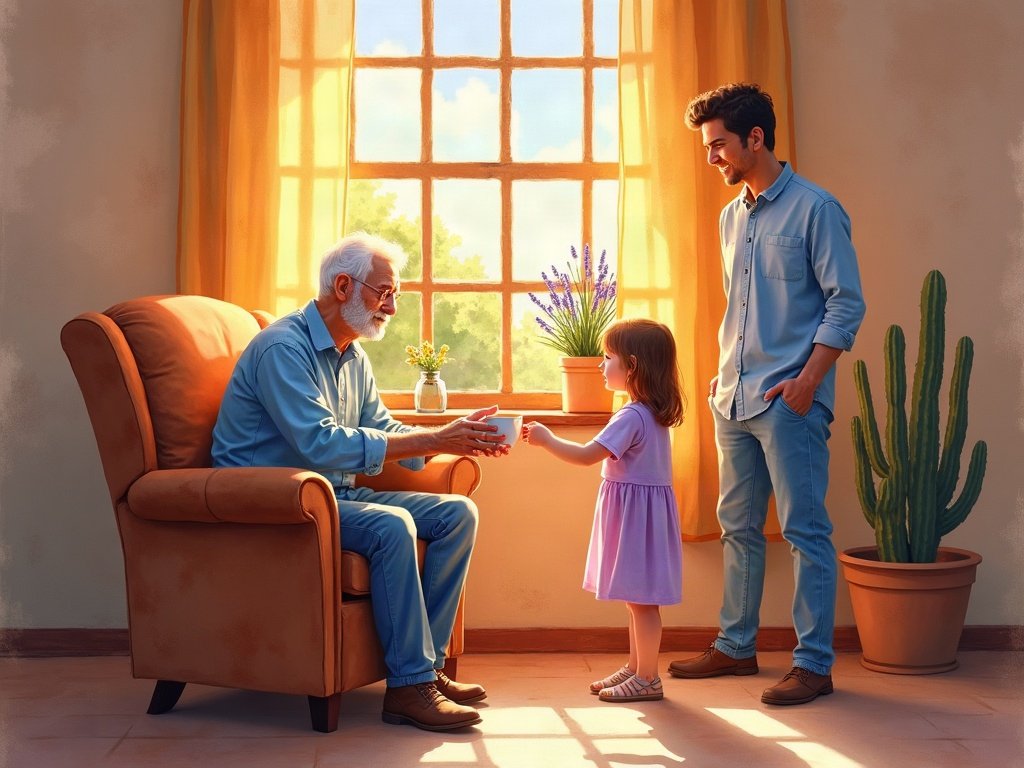
You don’t have to orchestrate anything. Show up — present, unhurried — and let them lead. If they want to talk, listen. If they want quiet company, sit with them. If they fall asleep mid-sentence, that’s okay. You being there is the good day.
And when you need to step out and breathe, that’s okay too. Caregiver burnout is real. Staying present for the days that matter means taking care of yourself along the way — our team supports the whole family, not just your loved one.
Good days are not accidents. They’re built — by pain management done right, by familiar caregivers who know your loved one’s preferences, by a family that’s supported enough to be fully present. That’s what we work toward with every patient across your area and the US. If you’re not sure whether now is the right time to reach out, or if you simply need someone to talk through what you’re facing, call at . We answer day and night — because good days deserve care that doesn’t clock out.